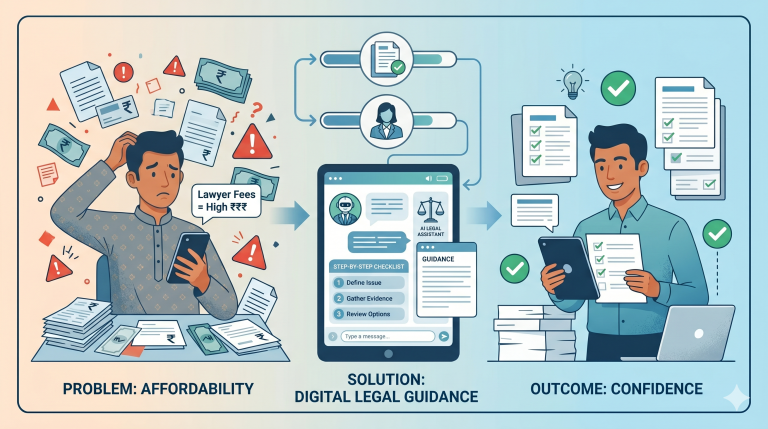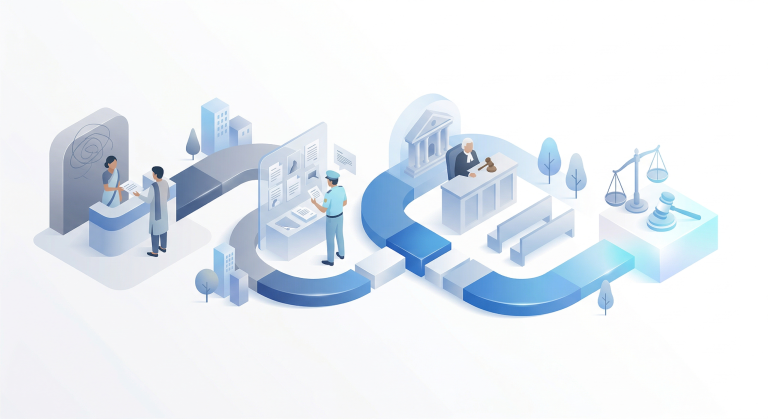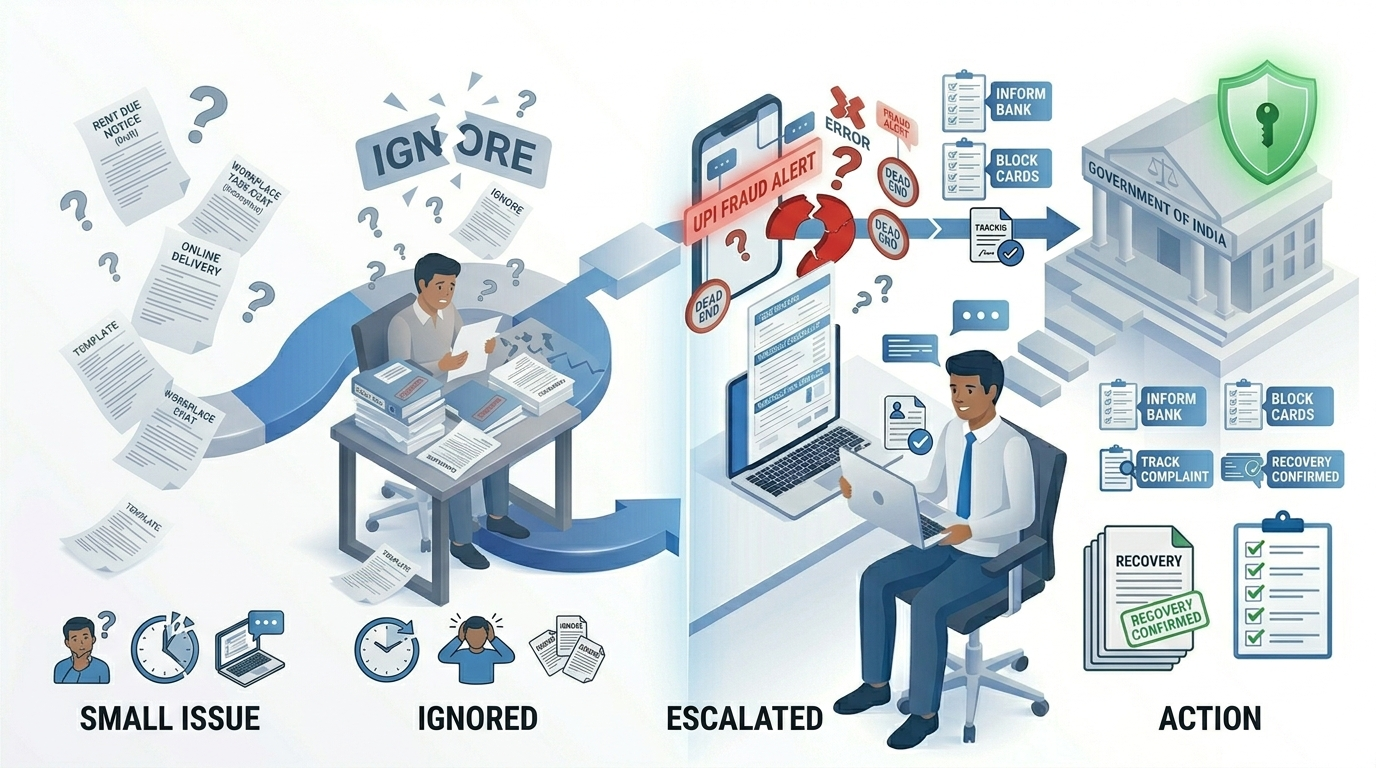
Legal problems don’t always begin in a courtroom.
In many cases, they start with something that seems too small to worry about. A delayed payment, an unsigned agreement, an online purchase that never arrives, or a misunderstanding between two people can gradually develop into a legal dispute.
The encouraging part is that many of these situations can be managed more effectively if you recognise the warning signs early.
This guide explains some of the most common legal problems people face in India, why they happen, and what you can do before they become more difficult to resolve.
Table of Contents
What Are Common Legal Problems?
A legal problem arises when a disagreement, transaction, or event affects your legal rights, financial interests, or responsibilities.
Some issues involve large financial losses, while others begin with everyday situations that most people experience at some point.
The common factor is that many disputes become more complicated because people delay taking action or fail to keep proper records.
1. Property and Rental Disputes
Disagreements between landlords and tenants are among the most common legal issues in India.
These disputes often involve:
- Security deposit refunds.
- Unpaid rent.
- Damage to the property.
- Early termination of the tenancy.
Many disputes arise because there is no written agreement or because important terms are unclear.
Related Article: Security Deposit Not Returned by Your Landlord
2. Cyber Fraud and Online Scams
As digital payments have increased, so have online scams.
Common examples include:
- UPI fraud.
- Fake investment schemes.
- Phishing emails and messages.
- QR code scams.
If you notice an unauthorised transaction, report it immediately to your bank and the National Cyber Crime Reporting Portal.
Related Article: How to File a Cyber Crime Complaint Online in India
Official Resource: https://cybercrime.gov.in
3. Consumer Complaints
Many people experience problems with products or services but never pursue a formal complaint.
Examples include:
- Defective products.
- Delayed refunds.
- Poor service quality.
- Misleading advertisements.
Keeping invoices, receipts, and communication records can make resolving these disputes much easier.
4. Employment and Workplace Disputes
Disagreements at work can arise over:
- Salary or unpaid wages.
- Employment contracts.
- Wrongful termination.
- Workplace harassment.
Maintaining written communication and employment records is often essential if a dispute develops.
5. Money Recovery Disputes
Money lent to relatives, friends, or business associates often becomes difficult to recover because nothing was recorded in writing.
Whenever money changes hands, keep:
- Bank transfer records.
- Written acknowledgements.
- Messages confirming the loan.
Good documentation can make a significant difference if repayment becomes disputed.
6. Business and Partnership Disputes
Many startups and small businesses begin informally.
Problems commonly arise because:
- Roles are never clearly defined.
- Profit sharing isn’t documented.
- Intellectual property isn’t protected.
- Contracts are delayed until after disagreements begin.
Written agreements are usually far easier to prepare before a dispute than after one has started.
7. Police Complaints and Criminal Matters
Many people are unsure about:
- When to file a police complaint.
- The difference between a complaint and an FIR.
- Which authority to approach.
Understanding the correct procedure early can help avoid unnecessary delays.
8. Documentation Problems
Legal disputes often become difficult because important documents are missing or incomplete.
Examples include:
- Unsigned agreements.
- Missing invoices.
- Incomplete payment records.
- Verbal promises with no written confirmation.
Good documentation is one of the simplest ways to reduce legal risk.
9. Delaying Action
One of the biggest mistakes people make is waiting too long.
Evidence can disappear, deadlines may expire, and the other party’s position can become stronger over time.
Seeking guidance early doesn’t always mean starting legal proceedings. It simply helps you understand your options before the situation becomes more complicated.
10. Lack of Legal Awareness
Many disputes become more expensive because people don’t know:
- Their legal rights.
- The documents they should preserve.
- The authorities they should approach.
- The time limits that may apply.
Even a basic understanding of these issues can help prevent unnecessary mistakes.
Five Practical Ways to Protect Yourself
Many legal problems can be reduced by following a few simple habits.
1. Put Important Agreements in Writing
Even simple written agreements help avoid misunderstandings later.
2. Keep Records
Save payment receipts, emails, invoices, screenshots, and messages relating to important transactions.
3. Act Promptly
Ignoring a legal issue rarely makes it disappear.
4. Verify Before You Pay
Whether you’re making an online payment or signing a contract, take a few minutes to verify the information first.
5. Seek Guidance Early
If you’re unsure about your legal position, understanding your options early can help you avoid costly mistakes later.
Frequently Asked Questions
1. What are the most common legal problems in India?
Some of the most common issues include property disputes, cyber fraud, consumer complaints, employment disputes, money recovery matters, and landlord tenant disagreements.
2. Can legal problems be prevented?
Not always. However, maintaining proper documentation, acting promptly, and understanding your rights can significantly reduce legal risks.
3. Do I need a lawyer for every legal issue?
Not necessarily. Some matters can be resolved through negotiation or early guidance, while others may require professional legal representation depending on the circumstances.
4. What is the biggest mistake people make?
One of the most common mistakes is delaying action and failing to preserve important evidence or documents.
5. Where can I find reliable legal information?
Official government websites and recognised legal guidance platforms are generally more reliable than anonymous advice on social media or online forums.
Trusted Resources
For official information, you can refer to:
- National Legal Services Authority (NALSA)
https://nalsa.gov.in - National Cyber Crime Reporting Portal
https://cybercrime.gov.in - National Portal of India
https://www.india.gov.in
Conclusion
Legal problems are a part of everyday life, but they don’t always have to become major disputes.
Whether you’re dealing with a property issue, cyber fraud, a consumer complaint, or a workplace disagreement, the most effective approach is usually the same. Understand your rights, keep proper records, and take action before the situation becomes more difficult to resolve.