When you’re facing a legal problem, the hardest part is often knowing where to begin.
It could be a cyber fraud, a landlord refusing to return your security deposit, a workplace dispute, a consumer complaint, or a family matter. Whatever the issue, many people have the same concern.
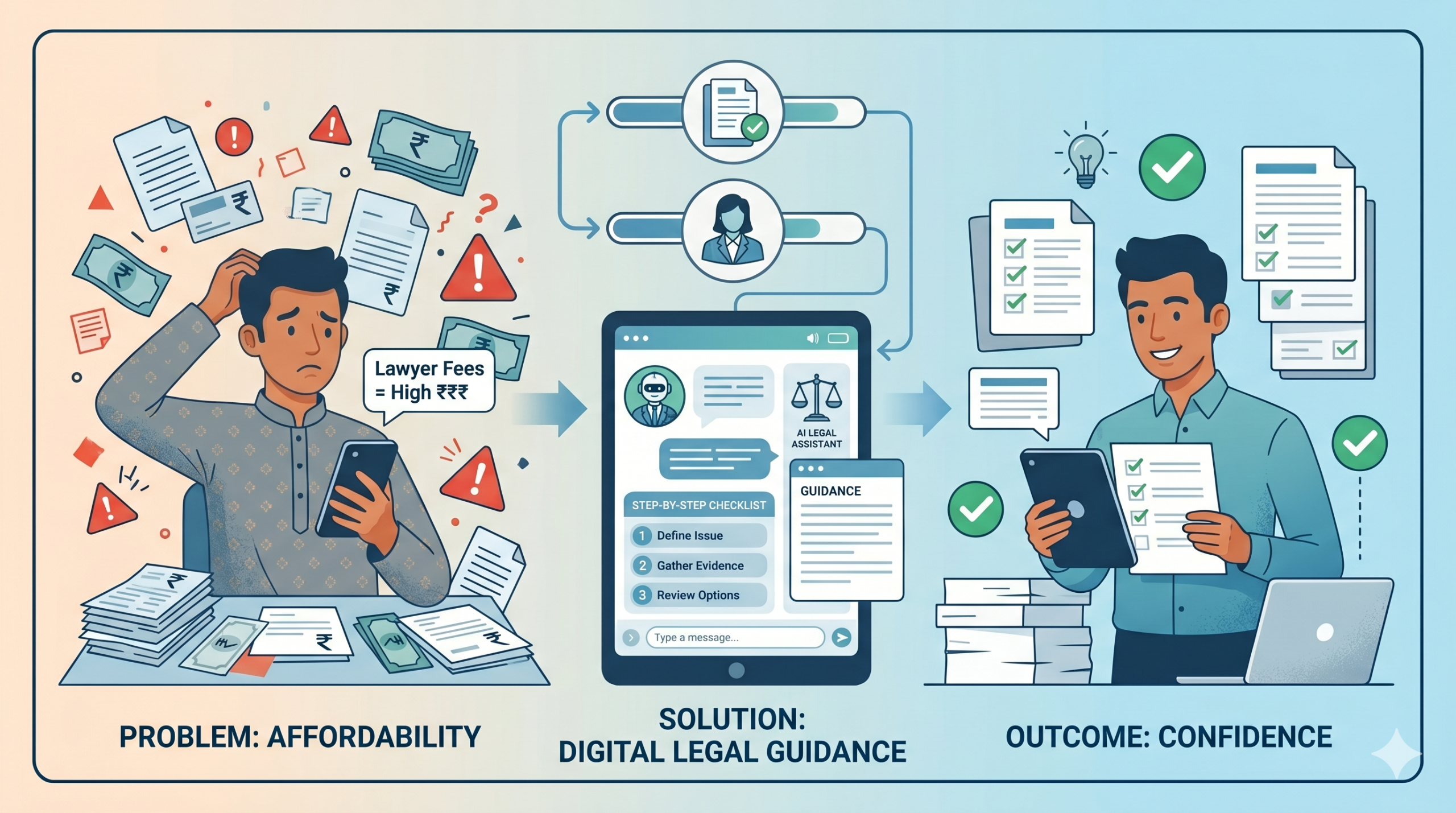
“I need legal advice, but I can’t afford to hire a lawyer right now.”
The good news is that you don’t always need to start with expensive legal representation. Today, there are several ways to get free legal advice online in India, understand your options, and decide what to do next.
This guide explains where you can get free legal help, when it is enough, and when you may need additional support.
Table of Contents
Can You Get Free Legal Advice Online in India?
Yes.
Several organisations, government bodies, and legal technology platforms provide free legal guidance or an initial consultation. The type of assistance, however, varies from one service to another.
Some platforms provide general legal information, while others review your situation and help you understand the practical steps you can take.
Knowing the difference helps you choose the right type of support.
Why You Shouldn’t Wait Too Long
One mistake people often make is delaying action because they hope the issue will resolve itself.
Unfortunately, delays can make legal problems more difficult to handle.
For example:
- Important deadlines may pass.
- Evidence such as messages or transaction records may become harder to collect.
- The other party may become less willing to cooperate.
- Small disputes can grow into larger legal issues.
Seeking guidance early doesn’t mean you have to file a case immediately. It simply helps you understand your options before the situation becomes more complicated.
Where Can You Get Free Legal Advice?
Depending on your situation, you have several options.
1. Government Legal Aid
The National Legal Services Authority (NALSA) and State Legal Services Authorities provide free legal aid to eligible individuals in certain cases.
These services can be particularly useful for people who qualify for legal aid and require assistance with legal proceedings.
External Resource: https://nalsa.gov.in
2. Official Government Portals
If your issue relates to cyber fraud or online financial scams, report it immediately through the National Cyber Crime Reporting Portal.
Early reporting can improve the chances of preventing further financial loss.
External Resource: https://cybercrime.gov.in
3. Online Legal Guidance Platforms
Many online legal platforms offer an initial consultation or structured legal guidance before you decide whether you need formal legal representation.
This can help you:
- Understand your legal position.
- Identify the documents you may need.
- Learn the possible next steps.
- Avoid common mistakes.
If you’re new to online legal assistance, you can also read our guide on How Online Legal Guidance Works in India.
Internal Link: /how-online-legal-guidance-works-in-india/
What Can Free Legal Advice Help With?
Free legal guidance can be useful for many common legal issues, including:
- Cyber fraud and online scams.
- Police complaints.
- Consumer disputes.
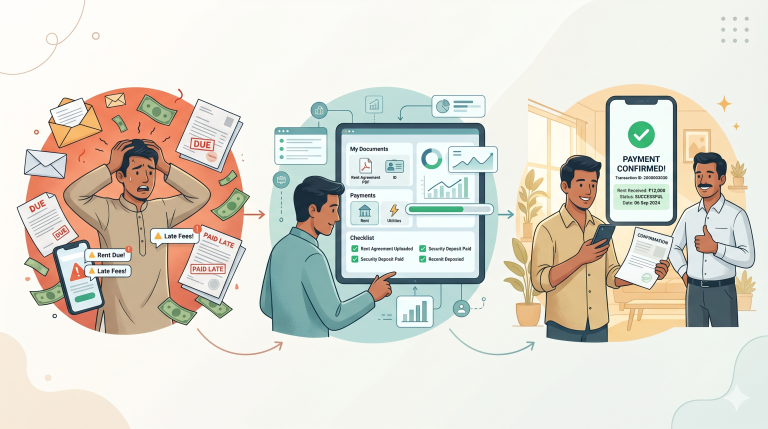
- Property and rental disputes.
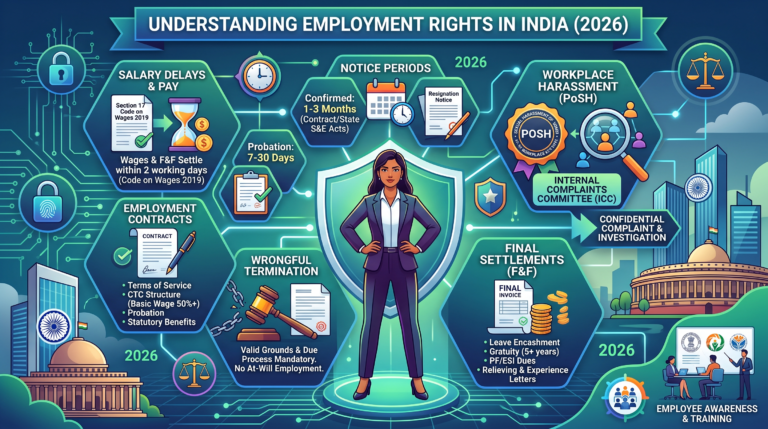
- Workplace concerns.
- Family disputes.
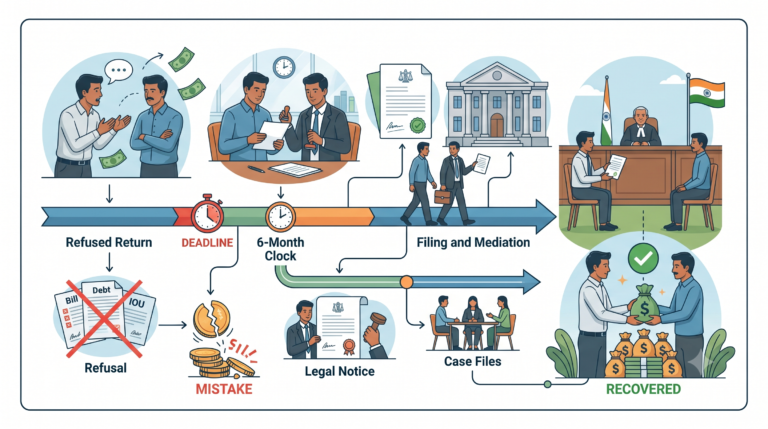
- Recovery of money.
If your matter requires court representation or detailed legal drafting, you may eventually need professional legal assistance.
What Usually Happens During an Initial Consultation?
While every platform follows a different process, an initial consultation generally involves four simple steps.
1. Explain Your Situation
Describe what happened using your own words. You don’t need to know legal terminology.
2. Review of Your Information
The available documents and facts are reviewed to understand the issue and identify any missing information.
3. Understanding Your Options
Based on the information available, you receive guidance on possible legal remedies, practical next steps, and actions that may be worth avoiding.
4. Decide How to Proceed
Once you understand your options, you can decide whether to resolve the issue yourself or seek further legal assistance.
If you’d like to understand what happens after this stage, read our guide on Legal Process in India: Step by Step.
Internal Link: /legal-process-in-india-step-by-step/
How SimplerToday Can Help
At SimplerToday, we aim to make legal guidance easier to understand before you decide on your next step.
Here’s how the process works.
1. Tell Us About Your Situation
Share your issue through WhatsApp or a phone call. Explain it in your own words. No legal jargon is required.
2. Initial Review
A qualified legal professional reviews the available information, asks relevant questions, and understands the key facts of your situation.
3. Receive Your First Consultation Report
Your report may include:
- Suggested next steps.
- Missing information.
- Key strengths and possible risks.
- Applicable laws.
- Jurisdiction.
The objective is to help you make informed decisions before taking further action.
Trusted Resources
For additional information, you can also refer to the following official resources.
- National Legal Services Authority (NALSA)
https://nalsa.gov.in - National Cyber Crime Reporting Portal
https://cybercrime.gov.in - National Portal of India
https://www.india.gov.in
Frequently Asked Questions
1. Can I get free legal advice online in India?
Yes. Government organisations, legal aid authorities, and online legal platforms provide different forms of free legal guidance depending on the nature of your issue.
2. Is free legal advice enough?
It depends on your situation. Free guidance is often sufficient to help you understand your rights and possible next steps. If your matter requires court representation or legal drafting, additional legal support may be necessary.
3. What should I do if I can’t afford a lawyer?
Start by exploring free legal aid services or an initial consultation through a trusted legal platform. Understanding your options first can help you decide whether further legal assistance is required.
4. Is online legal advice reliable?
It can be, especially when it comes from qualified legal professionals or recognised legal platforms that provide structured, case specific guidance.
5. When should I seek legal advice?
As early as possible. Acting promptly often helps preserve evidence, avoid unnecessary delays, and improve your ability to respond effectively.
Conclusion
Free legal advice online can be an excellent starting point when you’re unsure what to do next.
The important thing is not simply finding information, but finding guidance that helps you understand your situation and make informed decisions.
Whether your issue involves cyber fraud, a consumer complaint, a rental dispute, or another legal matter, taking the first step early is often the best way to avoid bigger problems later.