Table of Contents
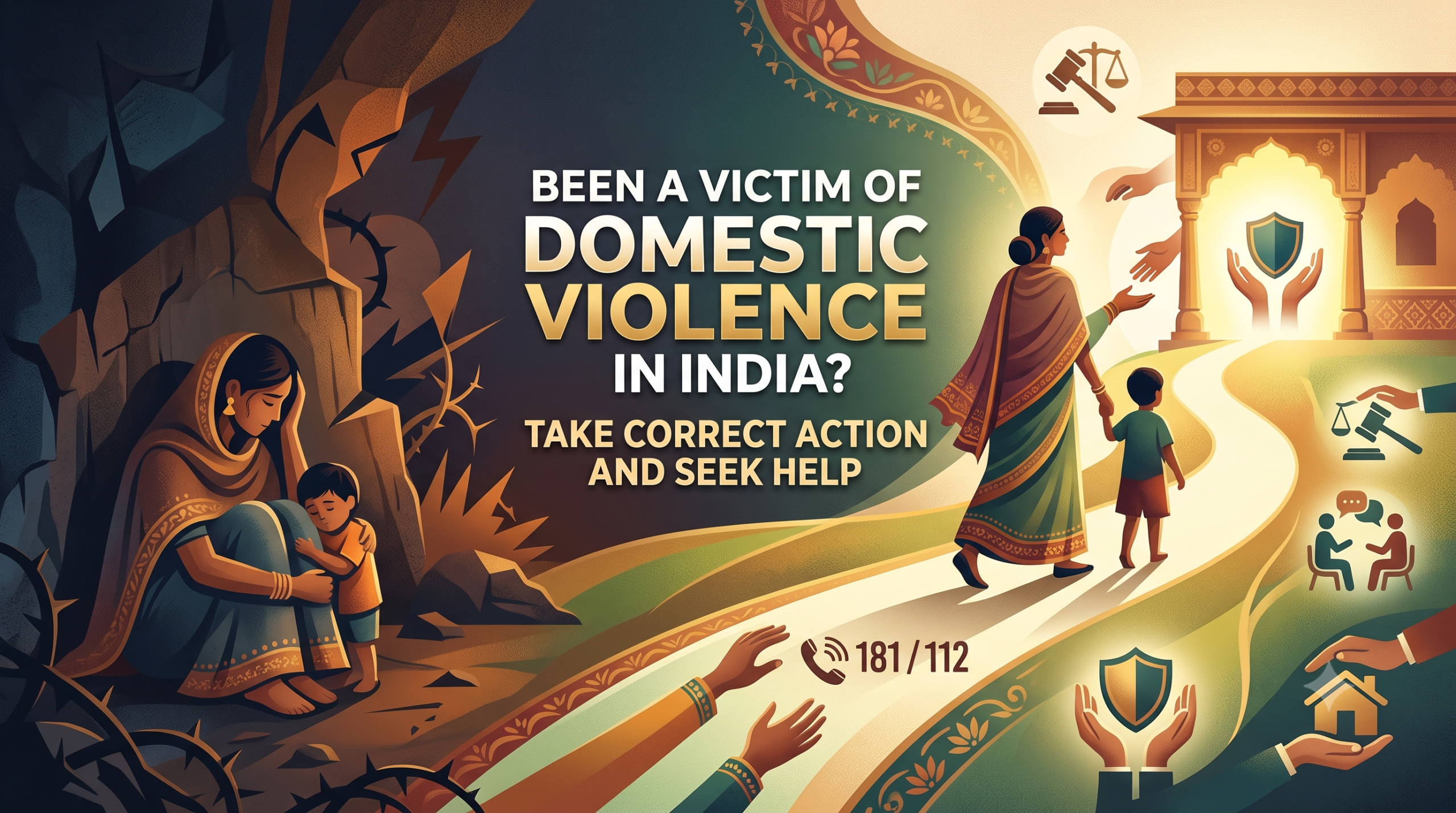
When people hear the term domestic violence, they often think only of physical assault. In reality, domestic violence can take many forms, and not all of them leave visible injuries.
Controlling someone’s finances, constantly insulting them, threatening them, isolating them from family, or forcing them into unwanted sexual acts can also amount to domestic violence under Indian law.
Many people continue to live in abusive relationships simply because they don’t realise that what they are experiencing is legally recognised as abuse.
If you’ve ever wondered what counts as domestic violence in India, this guide explains the different forms of abuse, your legal rights, and the steps you can take if you or someone you know is affected.
What Is Domestic Violence?
Domestic violence refers to abusive behaviour by one person against another in a domestic relationship. It is intended to control, intimidate, threaten, or harm the other person physically, emotionally, financially, or psychologically.
Under the Protection of Women from Domestic Violence Act, 2005, domestic violence is not limited to physical assault. The law also recognises emotional, verbal, sexual, and economic abuse.
This means that someone can be a victim of domestic violence even if they have never been physically attacked.
1. Physical Abuse
Physical violence is the most commonly recognised form of domestic abuse.
It may include:
- Hitting, slapping, punching, or kicking.
- Pushing or choking.
- Causing injuries using objects or weapons.
- Preventing someone from receiving medical treatment.
- Threatening physical harm.
Even a single incident of physical violence can have serious legal consequences.
2. Emotional and Psychological Abuse
Not every injury is visible.
Constant emotional abuse can affect a person’s confidence, mental health, and ability to make independent decisions.
Examples include:
- Constant humiliation or insults.
- Threatening to harm family members.
- Isolating someone from friends or relatives.
- Repeated intimidation or fear.
- Monitoring or controlling daily activities.
Over time, emotional abuse can be just as damaging as physical violence.
3. Verbal Abuse
Repeated verbal attacks can also amount to domestic violence.
This may include:
- Name-calling.
- Public humiliation.
- Abusive language.
- Constant criticism.
- Threats intended to create fear.
One isolated argument is different from a repeated pattern of abusive behaviour that causes emotional harm.
4. Economic Abuse
Many people are surprised to learn that financial control is recognised as a form of domestic violence.
Examples include:
- Taking away someone’s salary.
- Preventing them from working.
- Refusing money for basic household expenses.
- Denying access to bank accounts.
- Selling shared property without consent.
- Preventing access to essential medicines, food, or education.
Financial dependence is often used as a tool to maintain control within abusive relationships.
5. Sexual Abuse
Every individual has the right to bodily autonomy and dignity.
Sexual abuse may include:
- Forcing someone into unwanted sexual acts.
- Sexual intimidation.
- Humiliation of a sexual nature.
- Coercion through threats or emotional pressure.
These situations can have serious legal implications and should never be ignored.
6. Digital Abuse
Technology has created new ways for abusive behaviour to continue.
Digital abuse may involve:
- Monitoring phone calls or messages.
- Reading private emails or chats without permission.
- Tracking someone’s location without consent.
- Sharing personal photos or information to threaten or embarrass them.
- Harassing someone repeatedly through calls or messages.
Digital abuse often accompanies emotional or controlling behaviour.
7. Threats, Intimidation, and Coercive Control
Sometimes abuse is about creating fear rather than causing immediate physical harm.
Examples include:
- Threatening divorce solely to create fear.
- Threatening to take away children.
- Threatening self-harm to manipulate the other person.
- Threatening false allegations.
- Preventing someone from leaving the house.
A repeated pattern of controlling behaviour can seriously affect a person’s safety and independence.
Who Is Protected Under Domestic Violence Laws in India?
The Protection of Women from Domestic Violence Act, 2005, provides legal remedies for women who experience domestic violence in a domestic relationship.
Depending on the facts of the case, a person may be entitled to seek relief such as:
- Protection from further violence.
- Residence-related relief.
- Monetary relief.
- Custody-related orders.
- Compensation in appropriate cases.
The remedies available depend on the circumstances of each case.
Warning Signs of Domestic Violence
Sometimes abuse develops gradually.
Pay attention if someone:
- Is constantly afraid of their partner.
- Has no control over personal finances.
- Is regularly insulted or humiliated.
- Is prevented from meeting friends or family.
- Has unexplained injuries.
- Is forced to account for every movement.
- Feels unsafe inside their own home.
Recognising these signs early can help prevent further harm.
What Should You Do If You’re Facing Domestic Violence?
If you believe you are experiencing domestic violence, consider taking practical steps to protect yourself.
- Ensure your immediate safety if you are in danger.
- Keep copies of important documents and identification.
- Save messages, emails, photographs, or medical records that may be relevant.
- Tell someone you trust about the situation.
- Seek medical assistance if you have been injured.
- Consider approaching the police, a Protection Officer, or other appropriate authorities depending on your circumstances.
- Obtain legal guidance before taking important decisions whenever possible.
Every situation is different, and the appropriate course of action depends on the facts of your case.
Common Misconceptions About Domestic Violence
Many myths prevent people from seeking help.
Myth 1. Domestic violence only means physical assault.
False. Emotional, verbal, sexual, and economic abuse may also be recognised under the law.
Myth 2. It only happens in certain families.
Domestic violence can affect people regardless of age, education, income, or profession.
Myth 3. If there are no injuries, there is no abuse.
False. Many forms of domestic violence leave emotional rather than physical scars.
Myth 4. It is a private family matter.
Abuse can have legal consequences, and support is available through the legal system.
Helpful Resources
For reliable information and support, you can refer to:
- National Legal Services Authority (NALSA)
https://nalsa.gov.in - National Commission for Women (NCW)
https://ncw.nic.in - India Code
https://www.indiacode.nic.in
Domestic Violence Cases Often Require Early Action
Every domestic violence case is different. Some situations require immediate police assistance, while others may involve protection orders, residence rights, maintenance, or child custody concerns. The sooner you understand your legal options, the easier it becomes to take the appropriate next step and preserve important evidence.
You can also learn about your legal rights in the workplace if you’re experiencing harassment or unfair treatment:
👉 https://simplertoday.ai/employment-rights-india/
Frequently Asked Questions
Is domestic violence only physical abuse?
No. Indian law also recognises emotional, verbal, sexual, and economic abuse in appropriate circumstances.
Can emotional abuse be considered domestic violence?
Yes. Repeated emotional abuse, intimidation, humiliation, and psychological control may amount to domestic violence depending on the facts.
Is controlling someone’s money a form of domestic violence?
Yes. Financial control, denial of access to money, or preventing someone from earning a livelihood may constitute economic abuse.
What evidence can help in domestic violence cases?
Depending on the circumstances, evidence may include medical records, photographs, messages, emails, call records, witness statements, and other relevant documents.
When should I seek legal guidance?
If you believe your safety, rights, or well-being are at risk, it is advisable to seek guidance as early as possible so you can understand your options and make informed decisions.
Conclusion
Domestic violence is not always visible, but its impact can be life-changing. Whether it involves physical abuse, emotional manipulation, financial control, or repeated intimidation, understanding domestic violence laws in India can help you protect yourself and make informed decisions. If you believe you are experiencing domestic violence, seeking timely legal guidance and documenting the situation can strengthen your position and help you access the support available under the law.