Getting legal help no longer always requires visiting a lawyer’s office or waiting days for an appointment.
Today, many people begin by seeking online legal guidance to understand their rights, identify possible solutions, and decide what to do next.
If you’ve never used an online legal platform before, it’s natural to have questions.
How does the process work? Will someone actually review my situation? Is online legal guidance suitable for serious legal issues?
This guide explains what happens after you seek online legal guidance in India and what you can realistically expect from the process.
Table of Contents
What Is Online Legal Guidance?
Online legal guidance is a way of receiving legal information and initial direction through digital channels such as a website, phone call, WhatsApp, email, or video consultation.
Unlike reading a blog or watching a video, online guidance is based on the facts of your own situation.
Its purpose is to help you understand:
- Your legal position.
- The options available to you.
- The practical next steps you can take.
It is often the starting point rather than the final stage of resolving a legal issue.
For information about government supported legal aid services, you can also visit the National Legal Services Authority (NALSA).
External Link: https://nalsa.gov.in
Who Can Benefit from Online Legal Guidance?
Online legal guidance can be useful for many everyday legal situations, including:
- Cyber fraud and online scams.
- Consumer complaints.
- Property and rental disputes.
- Family disputes.
- Workplace issues.
- Police complaints.
If you are unsure whether your issue has legal implications, an initial consultation can help you understand where you stand.
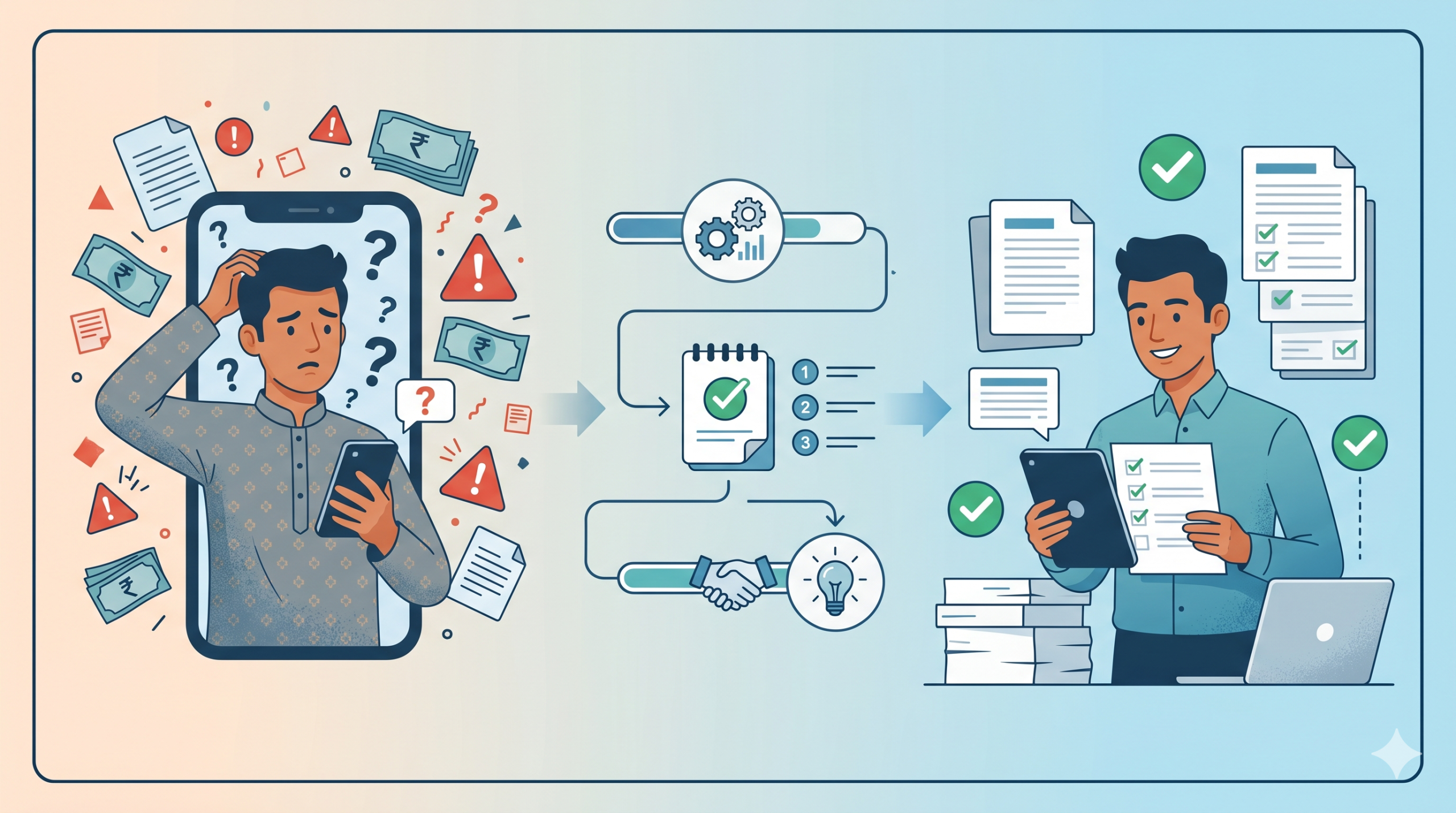
How the Process Usually Works
Although every platform follows its own process, most online legal guidance services follow similar steps.
Step 1. Explain Your Situation
The first step is simply describing what happened.
You can usually do this through a phone call, WhatsApp message, online form, or email.
You don’t need to know legal terminology. The important thing is to explain the facts as clearly as possible.
Step 2. Review of Your Information
After receiving your query, the available information is reviewed.
This may include:
- Agreements.
- Notices.
- Payment records.
- Screenshots.
- Emails or messages.
If important details are missing, you may be asked additional questions before guidance is provided.
Step 3. Understanding Your Options
Once the facts are clear, the next step is identifying your available options.
Depending on your situation, this may include:
- Immediate actions that should be taken.
- Documents that may be required.
- Possible legal remedies.
- Mistakes that should be avoided.
The objective is not simply to explain the law but to help you decide what to do next.
Step 4. Deciding the Next Course of Action
After understanding your options, you decide how to proceed.
Depending on the situation, you may choose to:
- Resolve the issue yourself.
- Prepare the necessary documents.
- Seek further legal assistance.
- Explore formal dispute resolution if required.
Every legal issue is different, so the next step depends on the facts of your case.
How Is Online Legal Guidance Different from Reading Articles?
Many people begin by searching Google or watching YouTube videos.
While these resources are useful for general awareness, they cannot consider the specific facts of your situation.
Online legal guidance is different because it is based on the information you provide.
Instead of explaining the law in general, it focuses on how those legal principles may apply to your circumstances.
When Is Online Legal Guidance Most Useful?
It can be particularly helpful if:
- You’re unsure whether your issue has legal implications.
- You’ve received a legal notice.
- You have been affected by cyber fraud.
- A dispute has reached a point where informal discussions are no longer working.
- You want to understand your options before spending money on legal proceedings.
Seeking guidance early often helps prevent unnecessary mistakes.
When Might You Need Additional Legal Assistance?
Some matters require more than initial guidance.
For example:
- Drafting legal notices.
- Filing complaints before authorities.
- Court representation.
- Negotiating settlements.
- Ongoing legal proceedings.
In these situations, online guidance often becomes the first step before more detailed legal assistance.
How SimplerToday Works
At SimplerToday, online legal guidance is designed to simplify the first stage of resolving a legal issue.
The process is straightforward.
1. Share Your Situation
Tell us what happened through WhatsApp or a phone call.
2. Initial Review
A qualified legal professional reviews the available information and identifies the key legal issues.
3. Receive Your First Consultation Report
Depending on your situation, your report may include:
- Suggested next steps.
- Missing information.
- Relevant legal provisions.
- Jurisdiction.
- Key strengths and possible risks.
The aim is to help you make informed decisions before taking further action.
Trusted Resources
You may also find these official resources helpful.
- National Legal Services Authority (NALSA)
https://nalsa.gov.in - National Portal of India
https://www.india.gov.in - Department of Justice
https://doj.gov.in
Frequently Asked Questions
1. What is online legal guidance?
Online legal guidance is an initial consultation that helps you understand your legal position, possible remedies, and practical next steps without requiring an in person visit.
2. Can I get legal guidance without visiting a lawyer?
Yes. Many legal issues can begin with an online consultation through phone, WhatsApp, email, or video call.
3. Is online legal guidance suitable for urgent matters?
It can be, particularly for understanding immediate steps that should be taken. However, some urgent situations may require prompt action before the appropriate authorities or courts.
4. What documents should I keep ready?
Keep copies of agreements, notices, payment records, emails, messages, photographs, or any other documents relevant to your issue.
5. What happens after I receive legal guidance?
Depending on your situation, you may resolve the matter yourself, prepare legal documents, or seek further legal assistance.
Conclusion
Online legal guidance has made it easier for people to understand their rights and explore possible solutions without immediately committing to formal legal proceedings.
Whether you’re dealing with cyber fraud, a property dispute, a consumer complaint, or another legal issue, the first step is often the same: understand your position before deciding what to do next.
The right guidance at the right stage can help you make informed decisions and avoid unnecessary mistakes.